Remembering information
When we learn new information, it can be difficult to embed it into our memory to be recalled at a later point in time. This can be due to a variety of reasons, the information may be unfamiliar to us, it could be quite complex, or it could be a large amount of information that we are being required to remember.
Explore some strategies below to help you remember information.
Mnemonic devices
Mmenomic devices are learning strategies that make remembering new information more effective. It helps you make mental structures that make recalling information easier.
There are many different types of mnemonic devices, here are some everyday examples:

Chunking:
Breaking information down into smaller more manageable pieces or groups, so that new information can be more easily processed and remembered by the learner.
Research suggests that the human short-term memory can retain around 7 pieces of information at a time. Chunking allows learners to remember more information.
For example, a mobile phone number is typically 10 digits long (e.g., 0-4-1-2-5-3-4-8-9-7) making it tricky to remember. However, chunking the phone number into segments (e.g., 0412-534-897), strengthens your chances of remembering the whole sequence.

Music:
Musical mnemonics uses music as a way to organise information to enhance a learner’s ability to recall information. It uses rhythms, songs, rhymes, chants, etc., to enrich learning and increase the chances of remembering.
For example, the ABC song aids in the recall of the letters to help children remember the alphabet.
Acronyms or phrases
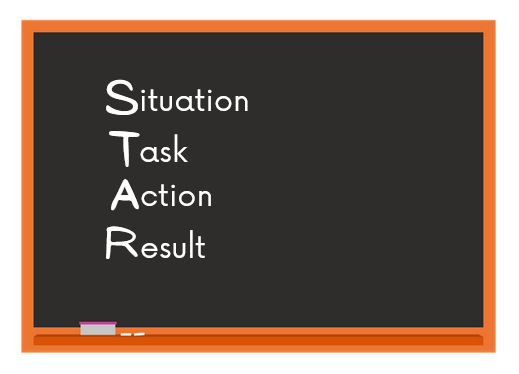
Acronyms use the first letter of words to build a new word that is shorter and easier to remember. It also helps with memorising the order of the words. For example, the “STAR” technique is commonly used in interviews and stands for: Situation, Task, Action, Result.
A memorable phrase can also help you recall information, such as “i before e except after c” can help people remember how to spell words like `believe' and `receive.'
Using mnemonics
Consider the following strategies when using mnemonic devices to support your learning:
- Structure and chunk learning concepts that are closely related to each other.
- Create mnemonic devices that have meaning to you, as you will be more likely to remember it.
- Mnemonic devices that work for your peers may not work for you, and vice versa.
- Once you’ve chosen/created a mnemonic device, keep repeating it out loud or in your head.

Tip
Creating a memorable mnemonic might take some time – adding meaning or a funny element might help!